What are the main types of e-bikes?
In the tide of the new energy industry, electric bicycles (e-bikes) have undoubtedly become a beautiful landscape. Today, let’s talk about the major types of e-bikes and their charm in the field of intelligence and new energy.
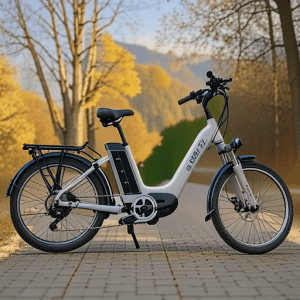
Firstly, e-bikes can be divided into three major categories: Pedelecs, E-assist bikes, and E-motorcycles. Each of these categories has its own strengths and appeals.
Pedelecs: This type of e-bike is characterized by providing auxiliary power when the rider pedals. They are usually equipped with sensors that can detect the rider’s pedaling effort and provide corresponding power support. According to international standards, the maximum assisted speed of Pedelecs generally does not exceed 25 kilometers per hour. According to the latest industry data, the global market size of electric bicycles is expected to reach about 20 billion US dollars in 2023, with a compound annual growth rate of over 10%.
E-assist bikes: These e-bikes focus more on comfort and assistance in design, suitable for long-distance riding and commuting. They are usually equipped with larger batteries and more powerful motors to provide more enduring auxiliary power. E-assist bikes are very popular in urban commuting and leisure riding, with huge market potential.
E-motorcycles: They are the “speed kings” in the e-bike family, with higher speed and stronger power. E-motorcycles are more similar to traditional motorcycles in design, but they are powered by electricity. With the advancement of technology, the range and performance of electric motorcycles are continuously improving, gradually becoming a new choice for urban transportation.
In terms of intelligence, the e-bike industry is undergoing revolutionary changes. The application of technologies such as smart sensors, GPS navigation, and mobile app integration makes e-bikes not only a means of transportation but also an intelligent travel solution. For example, through the intelligent system, users can monitor the battery status, riding data, and even perform remote fault diagnosis in real time.
In addition, with the global emphasis on environmental protection and sustainable development, the new energy industry is facing unprecedented development opportunities. According to data from the International Energy Agency (IEA), it is expected that by 2030, the sales volume of global electric vehicles (including e-bikes) will account for more than 30% of the total car sales.
In this feast of new energy, we must not only see the market opportunities at hand but also focus on long-term technological innovation and industrial upgrading. As the ancients said, “Without taking small steps, there is no way to reach a thousand miles; without accumulating small streams, there is no way to form rivers and seas.” Let us join hands and work together to promote the development of the e-bike industry, and contribute to building a green, intelligent, and sustainable future!
Thank you all!
Post Comment